A High Schooler’s Volunteer Program Experience in Nepal
目录
Nepal Volunteer Program
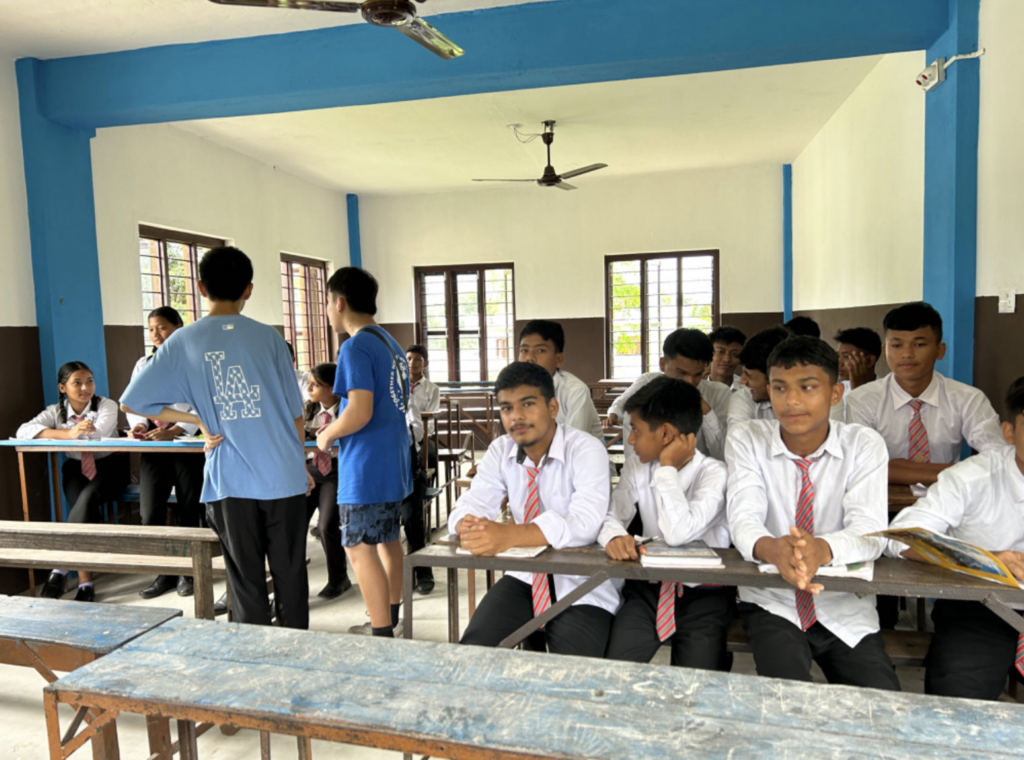
When I first walked into a rural classroom in Nepal, I quickly realized how different education can look around the world. The school had no Wi-Fi, no digital projectors, and not even a whiteboard. Yet the students’ enthusiasm for learning was stronger than anything I had seen before. Participating in a volunteer program focused on human rights and education allowed me to experience a completely different perspective on teaching, learning, and global communities.
A Different Kind of Classroom
Many students today are used to classrooms filled with technology. Computers, smart boards, and online learning platforms have become normal parts of education in many countries. However, in rural areas of Nepal, the classroom environment can be very different.
The school where I volunteered had limited resources. Most lessons relied on a chalkboard and handwritten notes. Some students shared textbooks, while others depended entirely on the teacher’s explanations during class. At first, I wondered how effective learning could happen without the digital tools we often take for granted.
But as I spent more time teaching, I realized that technology is only one part of education. The students were incredibly attentive and eager to participate. They listened carefully, asked thoughtful questions, and actively engaged in every activity. Their motivation made the classroom feel dynamic and alive, even without modern equipment.
This experience showed me that education is not defined by technology alone. Curiosity, determination, and a supportive learning environment can be just as powerful.
Teaching Without Technology
Participating in this volunteer program required me to rethink how I approached teaching. In my own school, lessons often include slideshows, videos, and online resources. In Nepal, teaching had to rely on creativity and personal interaction.
Instead of digital presentations, I focused on storytelling, group discussions, and collaborative activities. When explaining topics related to human rights, we discussed real situations that students could relate to in their own communities. These conversations helped students connect abstract ideas such as fairness, equality, and opportunity with their everyday experiences.
Sometimes we even turned lessons into interactive role-playing activities. Students would act out situations involving fairness or cooperation, and the class would discuss how these scenarios related to human rights principles. Without realizing it, the classroom became a place where students were learning through participation rather than passive observation.
Teaching without technology initially seemed like a challenge, but it ultimately helped me become a more adaptable communicator.
Understanding Human Rights Through Community Experience
One of the most meaningful parts of the volunteer program was learning about human rights issues directly from local communities. Instead of studying these topics only through textbooks or articles, we observed how social and economic challenges affect people’s lives in real environments.
Access to education is one of the most important human rights issues in many developing regions. Some students in rural Nepal travel long distances every day just to attend school. Teachers often work with limited supplies, and classrooms sometimes lack basic materials.
Despite these challenges, the commitment to education is incredibly strong. Families and teachers view education as a path toward opportunity, independence, and social progress. Seeing this dedication firsthand made the concept of human rights feel much more real and personal.
Through conversations with students and educators, I began to understand how global issues like educational access, gender equality, and economic opportunity are connected to everyday life in communities around the world.
Learning Beyond the Classroom
Although teaching was a central part of the experience, the volunteer program also included opportunities to explore Nepal’s culture and communities. Experiencing daily life in a different country helped me develop a deeper appreciation for cultural diversity and global perspectives.
Working alongside other students who shared similar interests created a collaborative environment where we could reflect on what we were learning. We discussed the challenges facing different education systems and talked about ways students can contribute to positive social change.
These conversations helped me realize that leadership often begins with understanding other people’s experiences. By stepping outside our own environments, we can develop empathy and a stronger sense of global responsibility.
Why Volunteer Programs Like This Matter
Participating in an international volunteer program can have a powerful impact on high school students. Experiences that combine service, education, and cultural immersion help students develop leadership skills that extend beyond academic learning.
Programs that focus on human rights encourage students to think critically about fairness, equality, and global development. By engaging with communities directly, students learn how social challenges affect real people and how collaborative efforts can create meaningful change.
For many participants, these experiences inspire new academic interests in fields such as international relations, public policy, education, or social justice. More importantly, they help students develop a sense of responsibility toward the global community.
A Perspective That Lasts
Teaching in a classroom without Wi-Fi or whiteboards might sound unusual for students accustomed to modern schools. Yet the experience revealed something powerful about education: learning does not depend solely on technology.
What matters most is curiosity, determination, and the connection between teachers and students. Through this volunteer program focused on human rights, I discovered that meaningful education can happen anywhere—even in the simplest classrooms.
The experience in Nepal changed how I think about education, opportunity, and global responsibility. It reminded me that sometimes the most important lessons happen when we step outside our comfort zones and learn directly from the world around us.
提交表单即代表您同意接收 IvyMax 的最新资讯和课程信息。您可以随时通过邮件底部的 SafeUnsubscribe® 链接取消订阅。
对我们的项目感兴趣?
请填写表单,我们会尽快回复您,并提供详细信息,解答您的问题!