How High School Students Can Build Global Perspective Before College
目录
Global Perspective Is No Longer Optional
In today’s academic and professional landscape, having a strong global perspective is no longer a bonus—it is an expectation.
Universities are looking for students who can think beyond their immediate environment, understand different cultures, and approach problems with a broader mindset. This shift reflects a more connected world, where challenges and opportunities are rarely confined to one place.
However, developing a global perspective does not happen automatically. It requires intentional exposure, meaningful experiences, and the ability to reflect on what those experiences mean.
What Does “Global Perspective” Actually Mean
Global perspective is often mistaken for simply traveling or learning about other countries. In reality, it goes much deeper.
It involves understanding how different systems—cultural, economic, and social—interact. It also requires the ability to see issues from multiple viewpoints and recognize that solutions are not always universal.
For high school students, building a global perspective means learning how to observe, question, and adapt in unfamiliar contexts. It is less about where you go and more about how you engage.
Why Most Students Struggle to Build Global Perspective
Many students rely on indirect exposure, such as reading articles or watching videos about global issues. While this can be informative, it often lacks depth.
Without direct engagement, it is difficult to fully understand how different communities operate or what challenges they face. As a result, students may develop awareness, but not true perspective.
Another challenge is that many experiences remain surface-level. Students participate in activities but are not required to think critically about them. This limits long-term impact.
1. Move Beyond Passive Learning
The first step in building a global perspective is shifting from passive to active learning.
Instead of only consuming information, students should look for opportunities to engage. This might include discussions, collaborative projects, or exploring real-world topics in depth.
The key is interaction. Perspective develops when students are involved, not just informed.
2. Engage in Global Perspective Projects
One of the most effective ways to build a global perspective is through global perspective projects.
These projects require students to analyze real-world issues, consider multiple viewpoints, and propose solutions. They may involve topics such as sustainability, education, or community development.
What makes these projects valuable is the process. Students learn how to connect ideas, evaluate context, and think beyond a single perspective.
3. Work Across Cultures, Not Just About Them
Understanding another culture is different from working within it.
Students who collaborate with people from different backgrounds gain a more realistic understanding of communication, expectations, and problem-solving approaches.
This type of experience builds adaptability and helps students recognize that effective solutions often depend on context.
4. Learn Through Real-World Environments
Global perspective develops most strongly in real-world environments where students must navigate unfamiliar situations.
In these settings, students are required to observe carefully, adapt their behavior, and respond to challenges that do not have clear answers.
This type of learning cannot be replicated through classroom instruction alone.
5. Connect Experience With Reflection
Experience alone does not guarantee growth. Reflection is what turns experience into understanding.
Students should take time to think about what they have seen, how it differs from their expectations, and what they have learned from it.
This process helps transform individual experiences into a broader global perspective.
A Real Example: Building Global Perspective in Costa Rica
Structured programs can provide environments where all of these elements come together.
The Global Philanthropy Program offer opportunities for students to engage in global perspective projects in places like Costa Rica.
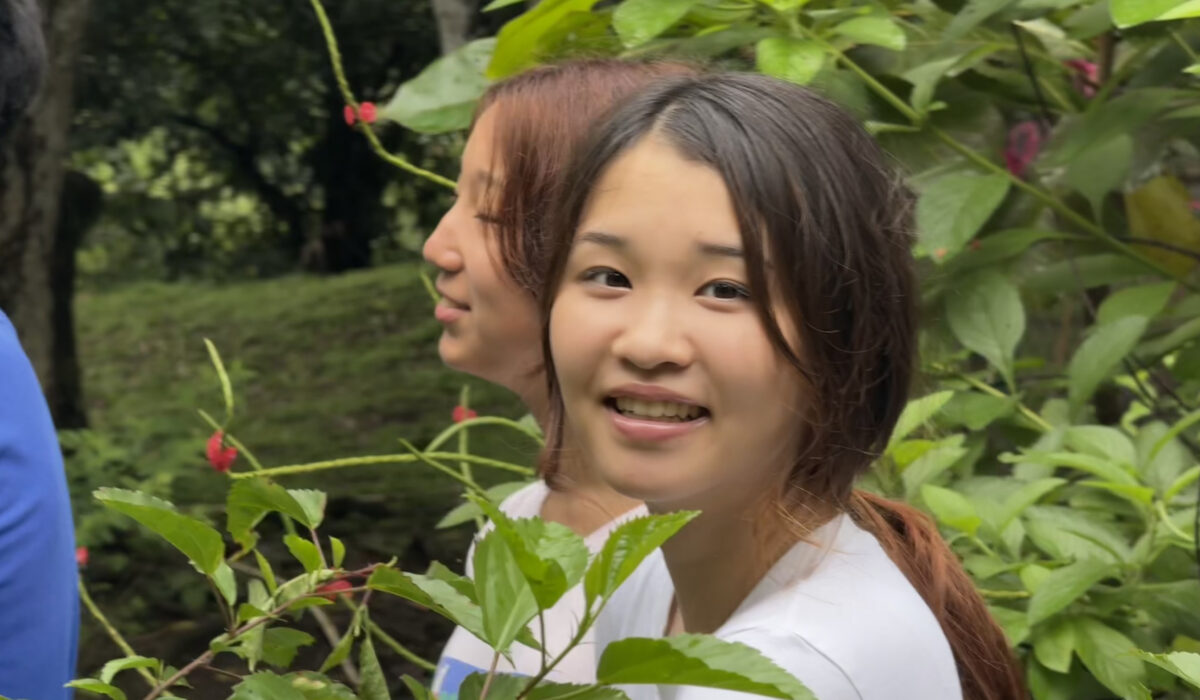
In this setting, students are not simply observing a different culture. They are working within communities, engaging with real challenges, and adapting to new environments.
Costa Rica, with its focus on sustainability and community-based initiatives, provides a context where students can see how global issues—such as environmental conservation and resource management—play out in practice.
Through this type of experience, students develop a more grounded and nuanced global perspective. They learn to connect ideas with real-world situations and understand how different factors influence outcomes.

From Experience to Long-Term Perspective
As students engage in these types of experiences, their way of thinking begins to change.
They become more aware of different viewpoints and more thoughtful in how they approach problems. They also develop a greater sense of responsibility, recognizing that their actions can have broader impact.
Over time, these changes shape how they learn, communicate, and make decisions.
People Also Ask
What is global perspective for students?
Global perspective is the ability to understand and evaluate issues from multiple cultural and social viewpoints.
How can high school students develop a global perspective?
Students can build global perspective through real-world experiences, global perspective projects, and meaningful interaction with diverse communities.
Why is global perspective important for college?
Colleges value global perspective because it reflects critical thinking, adaptability, and the ability to engage with complex issues.
What are global perspective projects?
Global perspective projects involve analyzing real-world challenges and developing solutions that consider multiple viewpoints and contexts.
Building Perspective Through Experience
Developing a global perspective is not about checking a box—it is about changing how you see the world.
For high school students, this requires moving beyond passive learning and engaging with real environments, real people, and real challenges.
When combined with reflection and intention, these experiences create a foundation that extends far beyond college. They shape how students think, act, and contribute in an increasingly interconnected world.
提交表单即代表您同意接收 IvyMax 的最新资讯和课程信息。您可以随时通过邮件底部的 SafeUnsubscribe® 链接取消订阅。
对我们的项目感兴趣?
请填写表单,我们会尽快回复您,并提供详细信息,解答您的问题!