
Summer 2026 Lake Don Pedro Conservation Program Recap
目录
Lake Don Pedro
From June 28 to July 2, 2026, students joined the Lake Don Pedro Conservation Program, part of the Franklin Education Foundation’s Global Philanthropy Leadership Internship Programs, for five days of hands-on environmental learning, field research, teamwork, and personal growth.
Set against the natural landscape of Lake Don Pedro, the program gave students an opportunity to step outside the traditional classroom and experience conservation work firsthand. Throughout the week, participants explored the local ecosystem, studied wildlife and aquatic habitats, collected environmental data, and considered how scientific research and community action can work together to protect natural resources.
Learning Through Field Research
One of the central goals of the program was to help students better understand the ecological environment surrounding Lake Don Pedro.
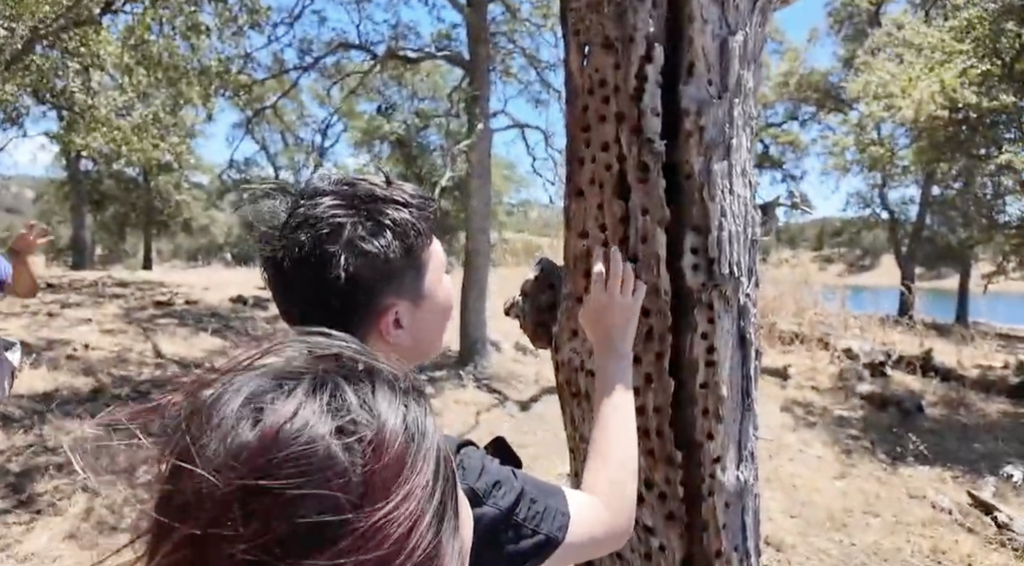
During field activities, students investigated local conservation challenges, including the impact of cattle grazing on the landscape. They learned to observe their surroundings carefully, identify environmental concerns, and approach those issues through research and evidence rather than assumptions.
Students were also introduced to infrared trail cameras and wildlife monitoring techniques. Working in teams, they learned how to select camera locations, establish monitoring strategies, and collect useful field data. Bird and wildlife observation, as well as small-mammal monitoring, further helped students understand how researchers study animal populations and habitat use.
These activities encouraged students to see conservation as an interdisciplinary process involving ecology, technology, observation, data analysis, and long-term planning.
Exploring the Lake Ecosystem
The lake itself became another important outdoor classroom.
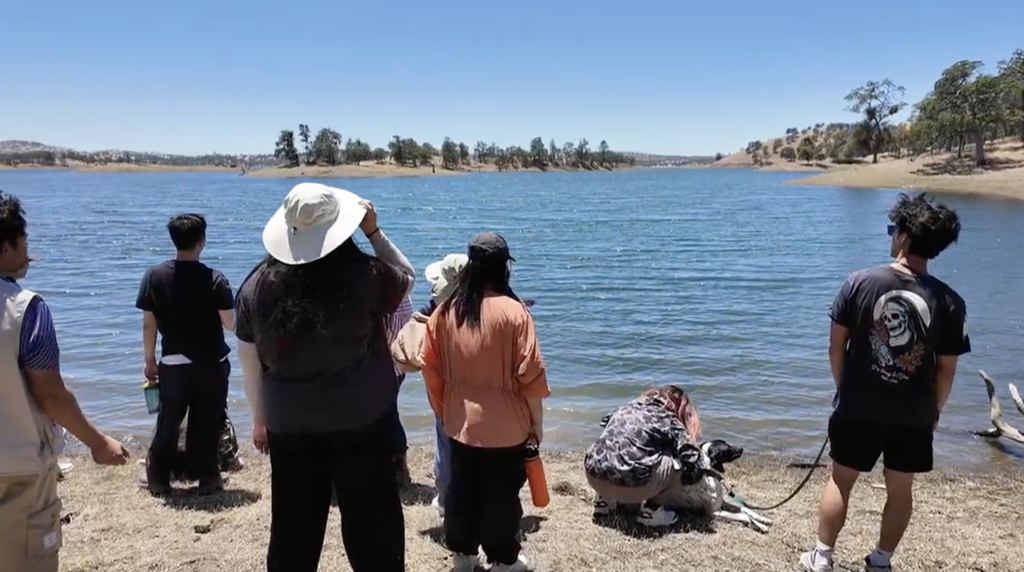
Students participated in water-quality testing and aquatic biodiversity surveys, examining environmental conditions and learning how the health of a body of water can influence the entire surrounding ecosystem.
Habitat assessments and drone mapping introduced students to additional tools used in modern environmental research. By connecting what they observed in the field with data and mapping techniques, students developed a broader understanding of how scientists document changes in landscapes and ecosystems.
A visit to the Lake Don Pedro dam also expanded the discussion beyond wildlife conservation, giving students an opportunity to consider the relationship between natural resources, human infrastructure, water management, and local communities.
From Observation to Action
The program emphasized that conservation is not only about studying environmental problems—it is also about taking meaningful action.
During the week, students participated in shoreline cleanup and habitat restoration activities, putting conservation principles into practice. Working together in the field reinforced the idea that even relatively small actions can contribute to healthier habitats when they are part of a larger, sustained effort.
Students were encouraged to think beyond what they accomplished during the program and ask a larger question: How can the lessons learned at Lake Don Pedro be applied in their own communities?
This focus helped transform conservation from an abstract concept into something personal and actionable.
Building Teamwork and Leadership
Scientific learning was only one part of the experience.
Students worked closely with teammates throughout the program—collecting data, discussing observations, solving problems, dividing responsibilities, and preparing a final group project. Wilderness survival and safety training, including first-aid concepts, land navigation, and shelter awareness, further challenged participants to communicate effectively and support one another.
Each evening, students reflected on the day’s experiences through discussions and journal writing. These reflections encouraged them to consider not only what they had learned, but also how they responded to challenges, contributed to their teams, and developed as individuals.
Public speaking was another important component of the program. Students regularly shared their observations and ideas, gradually preparing for the final presentation at the end of the week.
Turning Experience Into a Message
On the final day, student teams brought their research and experiences together through their Final Project Presentations.
Rather than simply describing what they had done, students were challenged to present background information, incorporate data and facts, explain their own actions, evaluate potential community impact, and communicate a meaningful conservation message.
The presentations represented the culmination of several days of observation, collaboration, analysis, and reflection. They also gave every student an opportunity to practice communicating complex environmental topics clearly and confidently.
More Than a Conservation Program
The Lake Don Pedro Conservation Program was designed to provide more than an introduction to environmental science.
Over five days, students experienced what it means to learn through observation, work as part of a team, adapt to unfamiliar situations, and take responsibility for both a project and the environment around them.
From setting trail cameras and testing water quality to restoring habitats and presenting research findings, each activity contributed to a larger lesson: meaningful environmental change begins with understanding, but it grows through collaboration and action.
Students left Lake Don Pedro with new knowledge about conservation, new experiences in field research, and a stronger awareness of their own ability to contribute.
The program may have lasted only five days, but the questions it raised—and the responsibility to protect the environment—extend far beyond the shores of Lake Don Pedro.
By submitting this form, you are consenting to receive marketing emails from: IvyMax Inc, 41111 Mission Blvd., Suite 200, Fremont, CA, 94539, https://ivymax.com/. You can revoke your consent to receive emails at any time by using the SafeUnsubscribe® link, found at the bottom of every email. Emails are serviced by Constant Contact
对我们的项目感兴趣?
请填写表单,我们会尽快回复您,并提供详细信息,解答您的问题!