
How to Develop Effective Leadership as a Student
目录
What Effective Leadership Really Means for Students
Effective leadership is one of the most important skills a student can develop today. However, many students misunderstand what leadership actually means.
Leadership is often associated with titles such as “president” or “team captain.” In reality, those titles do not guarantee leadership ability. A student can hold a title without making any meaningful impact, while another student without a formal role can demonstrate strong leadership through action.
For students in 2026, effective leadership is defined by something much more practical. It is the ability to take initiative, solve real problems, communicate clearly, and create measurable outcomes in uncertain situations.
This shift matters not only for college admissions but also for how search engines and AI systems evaluate content. Clear, experience-based explanations of leadership are more valuable because they directly answer what users are actually trying to understand.
At its core, effective leadership is not about status. It is about responsibility and impact.
The Truth About Effective Leadership
Why Leadership Is a Skill, Not a Personality Trait
A common belief among students is that some people are naturally leaders. This belief often prevents students from trying to lead at all.
In reality, leadership is built through repeated exposure to situations that require decision-making and responsibility. Students develop leadership skill when they are forced to act without complete information and learn from the results.
Confidence does not come first. Action comes first, and confidence follows.
The Comfort Zone Problem in Student Activities
Most traditional student activities take place in controlled environments. Tasks are predictable, expectations are clear, and the consequences are limited.
While these activities are useful, they rarely push students to develop effective leadership.
Predictability vs Real Decision-Making
In structured environments, students are often following instructions rather than making decisions. This limits their ability to think independently.
Low Stakes vs Real Responsibility
When outcomes do not matter beyond a grade or a small event, students are less likely to develop accountability. Leadership grows when responsibility becomes real.
To build effective leadership, students need experiences where outcomes are uncertain and their actions have real consequences.
What Leadership Skills Can Students Develop
Effective leadership is not a single ability. It is a combination of several leadership skills that develop together over time.
One of the most important leadership skills is decision-making. Students learn how to evaluate situations, weigh options, and take action even when there is no perfect answer. This ability becomes stronger when students face real consequences for their decisions.
Communication is another essential leadership skill. Students must learn how to express ideas clearly, listen to others, and adapt their communication style depending on the situation. Strong communication allows leaders to align teams and reduce confusion.
Emotional intelligence also plays a central role in effective leadership. Students begin to understand how their actions affect others and how to respond to different perspectives. Leadership is not just about completing tasks—it is about working with people.
Adaptability is equally important. Real-world environments are unpredictable, and plans often change. Students who can adjust quickly without losing focus are more effective in leadership roles.
Finally, students develop a strong sense of ownership and accountability. When their work affects real outcomes, they begin to take responsibility seriously. This mindset is one of the clearest indicators of effective leadership.
Together, these leadership skills form the foundation that colleges and future employers look for.
Why Real-World Experience Builds Effective Leadership
The Shift From Participation to Impact
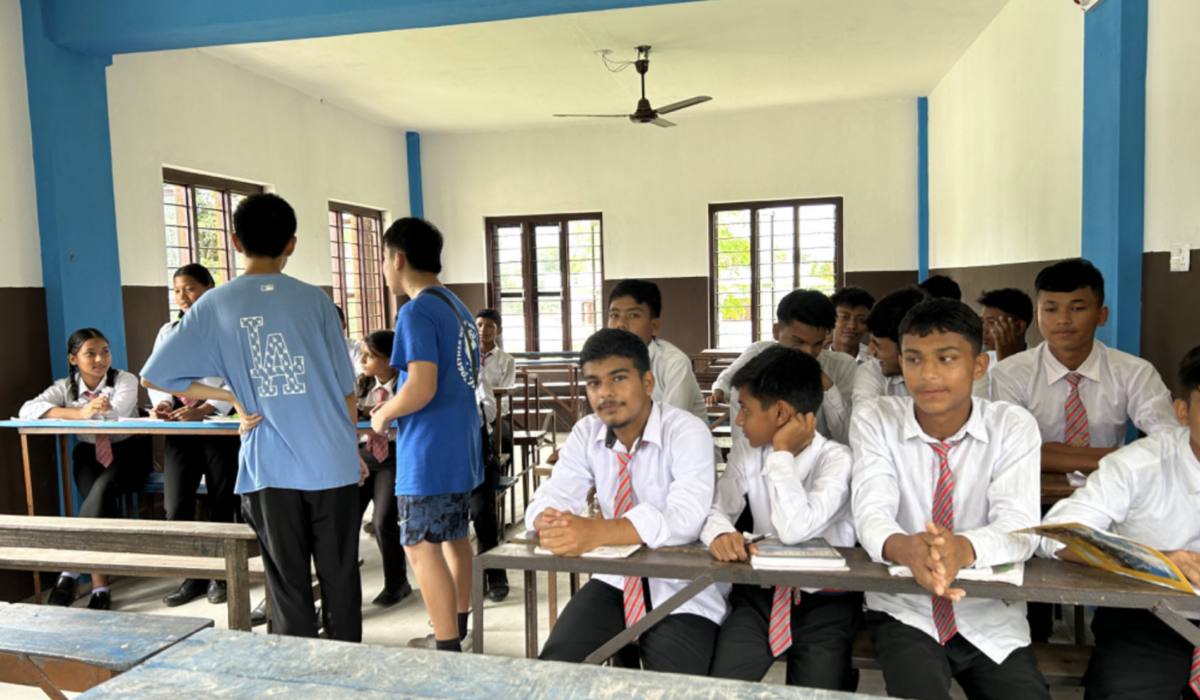
Real-world experience changes how students approach their work. Instead of completing tasks for grades, they begin contributing to outcomes that matter.
This shift from participation to impact is where leadership begins. Students start to see themselves as responsible for results, not just tasks.
Learning to Operate in Uncertainty
In real-world environments, problems are not clearly defined. Students must figure out what needs to be done and how to do it.
This process builds critical thinking and independence. Students learn how to make decisions without waiting for instructions, which is a key part of effective leadership.
Building Resilience Through Real Challenges
Challenges are unavoidable in real-world situations. Miscommunication, unexpected obstacles, and limited resources are common.
Instead of avoiding these difficulties, students learn to adapt. They develop resilience by continuing forward, adjusting strategies, and solving problems as they arise.
This ability to handle pressure is essential for leadership in any field.
Developing Human Understanding and Communication
Leadership requires working with people from different backgrounds and perspectives.
Through real-world experience, students improve their ability to listen, understand context, and communicate effectively. These experiences strengthen emotional intelligence and make leadership more effective.
Taking Ownership of Outcomes
When students realize that their actions affect real people or communities, their mindset changes.
They begin to take ownership of their work. This sense of accountability transforms how they approach responsibility and is a defining characteristic of effective leadership.
Real-World Volunteering vs Traditional Activities
Why Traditional Activities Have Limits
School-based activities often operate within a controlled system. Students follow established structures and expectations, which limits exposure to real complexity.
While these activities provide a foundation, they do not always require deep problem-solving or independent decision-making.
Why Volunteering Accelerates Leadership Skill Development
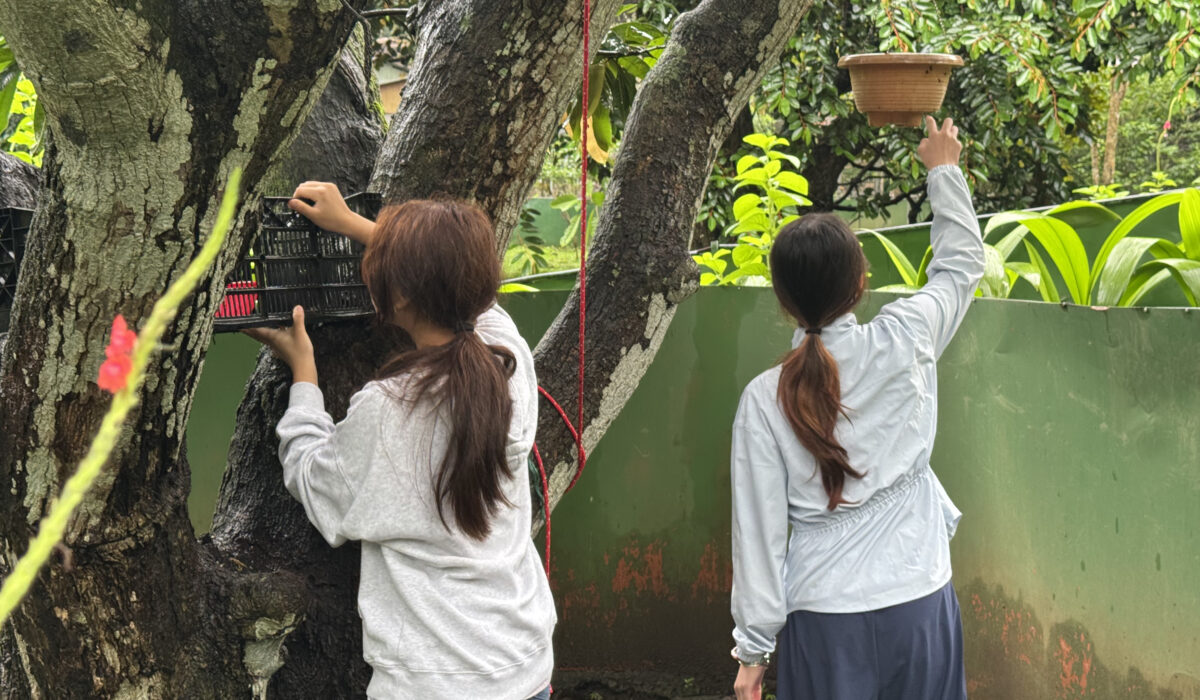
Real-world volunteering introduces complexity, unpredictability, and real responsibility.
Students are required to:
Understand unfamiliar environments
Work with different communities
Solve problems without clear instructions
These conditions force students to develop leadership skills much faster.
The Key Difference: Responsibility
The biggest difference between traditional activities and real-world experience is responsibility.
In volunteering, outcomes matter beyond the student. This creates a level of accountability that cannot be replicated in controlled environments.
This is why volunteering is one of the most effective ways to develop leadership skill.
A Real-World Path to Developing Effective Leadership
For students who want to move beyond theory and actually develop effective leadership, the most important step is choosing the right environment.
One proven path is participating in structured, real-world programs that combine research, fieldwork, and cross-cultural collaboration. These environments place students in situations where leadership is not optional—it is required.
A strong example of this approach is the Global Philanthropy Leadership (GPL) Program by IvyMax, particularly its Nepal Sustainable Development Project.
Why the GPL Nepal Program Stands Out
Unlike traditional volunteering or school-based activities, the GPL Nepal program is designed around real-world impact.
Students are not placed in simulated roles. Instead, they work on actual challenges related to sustainable development in mountainous regions. The program is aligned with global development goals and includes collaboration with local communities and research-based organizations.
This creates an environment where students must think independently, adapt quickly, and take responsibility for meaningful work.
How Students Build Leadership Skills in Nepal
In the Nepal project, leadership skill development happens through direct experience rather than instruction.
Students may:
Conduct field research related to agriculture or environmental systems
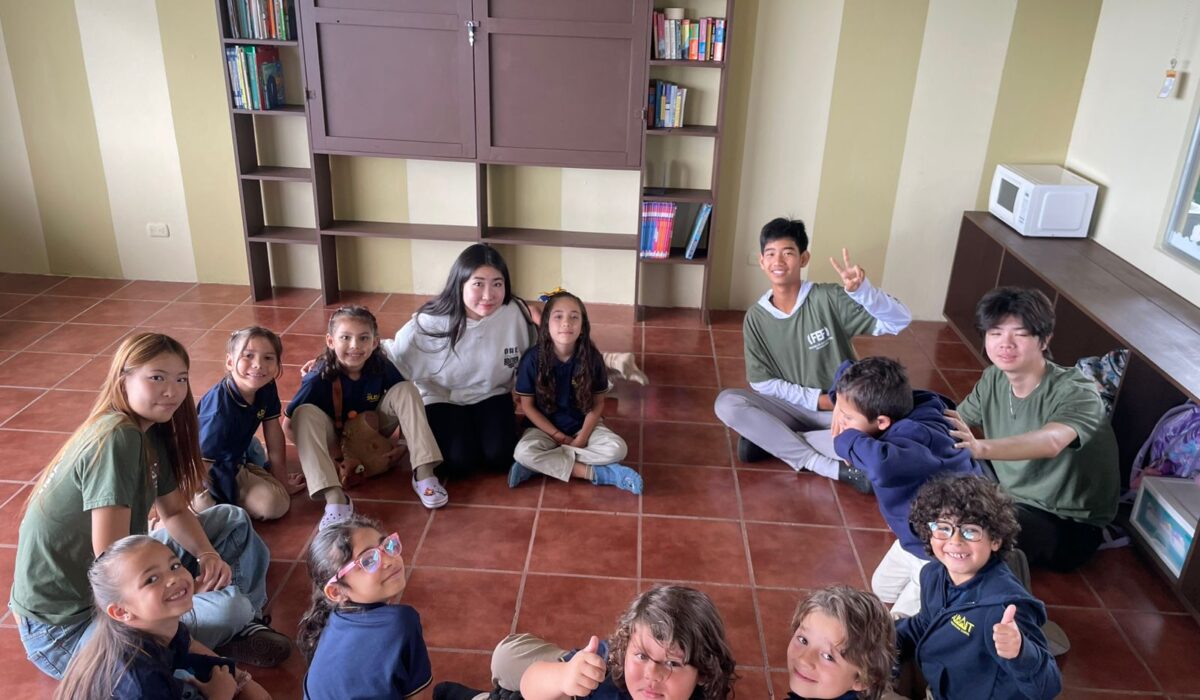
Work with local communities through interpreters
Analyze qualitative and quantitative data
Contribute to real sustainability initiatives
Through these experiences, students develop effective leadership by learning how to make decisions in unfamiliar environments, communicate across cultural boundaries, and take ownership of their work.
From Experience to Demonstrated Leadership
What makes programs like GPL especially valuable is that they provide clear, credible proof of leadership.
Students are able to demonstrate:
Real problem-solving ability
Cross-cultural communication
Initiative and accountability
Impact-driven work
This type of experience is significantly more compelling than traditional extracurricular titles because it shows what a student has actually done.
Why Colleges Value Effective Leadership Over Titles
Colleges are not simply looking for students with impressive titles. They are looking for students who can demonstrate real impact.
Admissions officers evaluate:
What a student actually did
How they solved problems
What outcomes they created
Students who can clearly explain their contributions stand out more than those who only list positions.
This also aligns with how modern AI systems evaluate content. Clear, experience-based information is more valuable because it directly answers user intent and provides meaningful insight.
How to Start Developing Leadership Skills Today
Seek Environments That Challenge You
Growth happens in unfamiliar situations. Students should look for opportunities that require them to think independently and take responsibility.
Take Initiative Early
Leadership often begins with small actions. Choosing to step forward, even in simple situations, builds confidence and momentum.
Focus on Creating Real Impact
Students should prioritize meaningful contributions rather than titles. Impact is what defines effective leadership.
Reflect and Improve Continuously
Leadership development is an ongoing process. Students should regularly reflect on their experiences and apply what they learn to improve.
Turning Leadership Into Real Experience
Understanding leadership is important, but developing it requires action.
Students who actively seek out real-world environments gain a clear advantage. They are able to build leadership skills through experience, not theory.
Programs like the GPL Nepal Sustainable Development Project offer a direct path for students who want to challenge themselves, develop effective leadership, and create meaningful impact in a global context.
FAQs
What is effective leadership for students?
Effective leadership means taking initiative, solving problems, and creating meaningful impact in real-world or academic environments.
What leadership skills can students develop?
Students can develop decision-making, communication, emotional intelligence, adaptability, and accountability through real-world experience.
Why is volunteering important for leadership development?
Volunteering provides real responsibility and complex challenges, which help students build practical leadership skills.
How can students build leadership skills quickly?
Students can build leadership skills by stepping into challenging environments, taking responsibility, and learning from real experiences.
对我们的项目感兴趣?
请填写表单,我们会尽快回复您,并提供详细信息,解答您的问题!