
Top 10 Research Methods That High School Students Can Attend
Table of Contents
Why Research Methods Matter Early
For many high school students, research feels like something reserved for college or advanced academic work. In reality, understanding a research method early can significantly change how a student learns, thinks, and approaches problems.
Research is not just about collecting information. It is about asking better questions, evaluating evidence, and forming structured conclusions. Students who are exposed to different research methods develop stronger critical thinking skills and a deeper understanding of how knowledge is created.
More importantly, engaging in research at the high school level allows students to move from passive learning to active inquiry. Instead of simply absorbing information, they begin to explore, test, and interpret it.
What Is a Research Method?
A research method refers to the systematic approach used to investigate a question or problem. It defines how data is collected, analyzed, and interpreted.
Different research methods are suited for different types of questions. Some focus on numerical data and measurable outcomes, while others emphasize observation, interpretation, or theoretical analysis.
For high school students, the goal is not to master every research method, but to understand how different approaches shape the way problems are explored and solved.
Top 10 Research Methods High School Students Can Explore
1. Experimental Research
Experimental research is one of the most structured and widely used research methods. It involves testing a hypothesis by controlling variables and observing outcomes.
For high school students, this often appears in science fairs or lab-based projects. What makes this method valuable is its emphasis on cause and effect. Students learn how to isolate variables and evaluate results systematically.
This method builds logical thinking and precision, making it a strong foundation for STEM-related fields.
2. Survey-Based Research
Survey-based research focuses on collecting data from a group of people through questionnaires or interviews.
This research method is particularly useful for exploring opinions, behaviors, or trends. For example, a student might study how social media affects study habits.
Through this process, students learn how to design questions, analyze patterns, and interpret human behavior. It introduces them to data collection in a real-world context.
3. Case Study Research
Case studies involve an in-depth analysis of a specific subject, such as an individual, group, or event.
This method allows students to explore complexity in detail rather than focusing on broad generalizations. For example, analyzing a local environmental issue or a community initiative.
Case study research helps students develop analytical thinking and the ability to connect multiple factors within a single situation.
4. Observational Research
Observational research involves studying behavior or phenomena in a natural setting without interference.
This method is often used in social sciences. For example, students might observe classroom interactions or community behavior patterns.
It teaches patience, attention to detail, and the ability to interpret subtle patterns.
5. Comparative Research
Comparative research focuses on analyzing differences and similarities between two or more subjects.
A student might compare education systems, environmental policies, or cultural practices across regions.
This research method encourages critical thinking by requiring students to evaluate multiple perspectives and draw meaningful conclusions.
6. Historical Research
Historical research involves analyzing past events, documents, and records to understand trends and causes.
This method is especially useful for students interested in humanities. It develops the ability to evaluate sources, identify bias, and construct evidence-based arguments.
It also teaches students that context matters when interpreting information.
7. Qualitative Research
Qualitative research focuses on understanding experiences, perspectives, and meanings rather than numerical data.
This may involve interviews, open-ended surveys, or narrative analysis.
Students using this research method learn how to interpret complex information and understand human behavior on a deeper level.
8. Quantitative Research
Quantitative research is centered on numerical data and statistical analysis.
Students might analyze datasets, conduct experiments, or measure variables to identify patterns.
This method strengthens analytical skills and introduces students to data-driven decision-making.
9. Action Research
Action research involves solving a problem while simultaneously studying the process.
For example, a student might implement a study strategy in their school and evaluate its effectiveness.
This research method is highly practical. It connects theory with real-world application and encourages continuous improvement.
10. Interdisciplinary Research
Interdisciplinary research combines multiple research methods and fields to address complex problems.
For example, studying climate change may involve scientific data, social behavior, and policy analysis.
This approach reflects how real-world problems are solved and helps students think beyond a single subject.
How to Choose the Right Research Method
Choosing the right research method depends on the type of question being asked.
If the goal is to test a hypothesis, experimental or quantitative methods may be more appropriate. If the focus is on understanding experiences or perspectives, qualitative approaches may be more effective.
Students should also consider available resources, time, and the scope of their project. The most effective research is not necessarily the most complex, but the one that aligns clearly with the question being explored.
Why Research Experience Matters for Students
Engaging with research methods at an early stage provides more than academic benefits. It changes how students approach learning.
They become more curious, more analytical, and more independent. Instead of relying solely on information presented to them, they begin to question and investigate.
This shift is particularly important for students aiming for competitive academic paths. Research experience demonstrates initiative, intellectual curiosity, and the ability to work independently.
A More Structured Path: Research in Real-World Contexts
While independent projects are valuable, structured environments can provide deeper exposure to research methods.
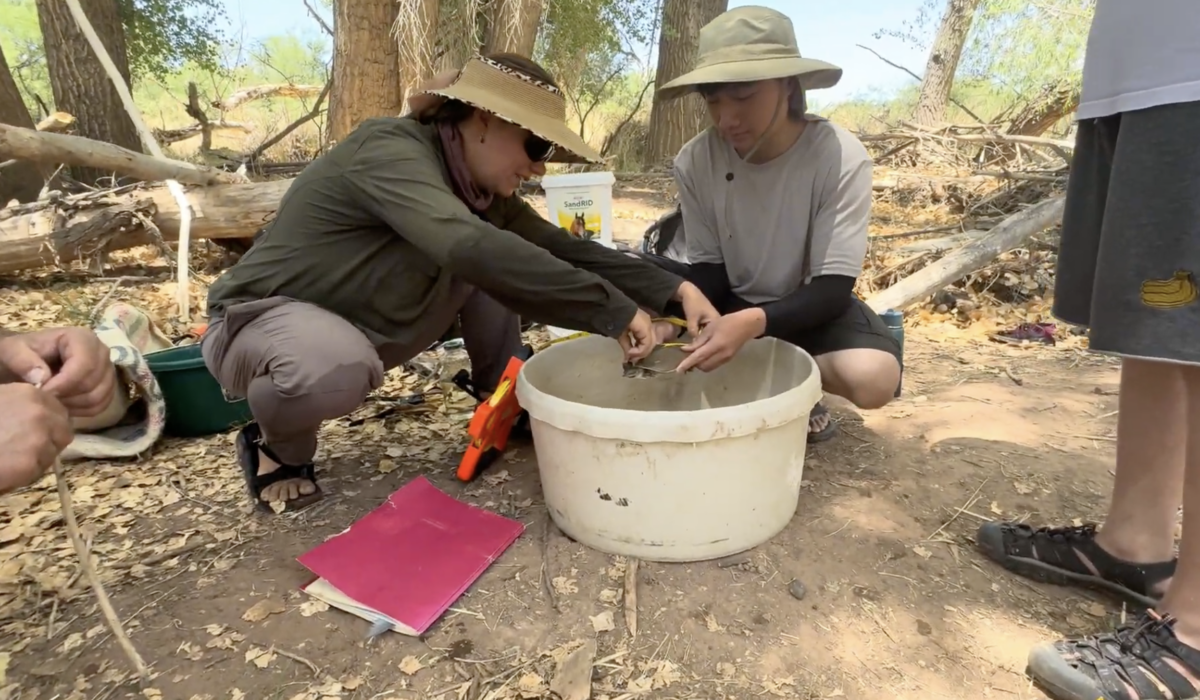
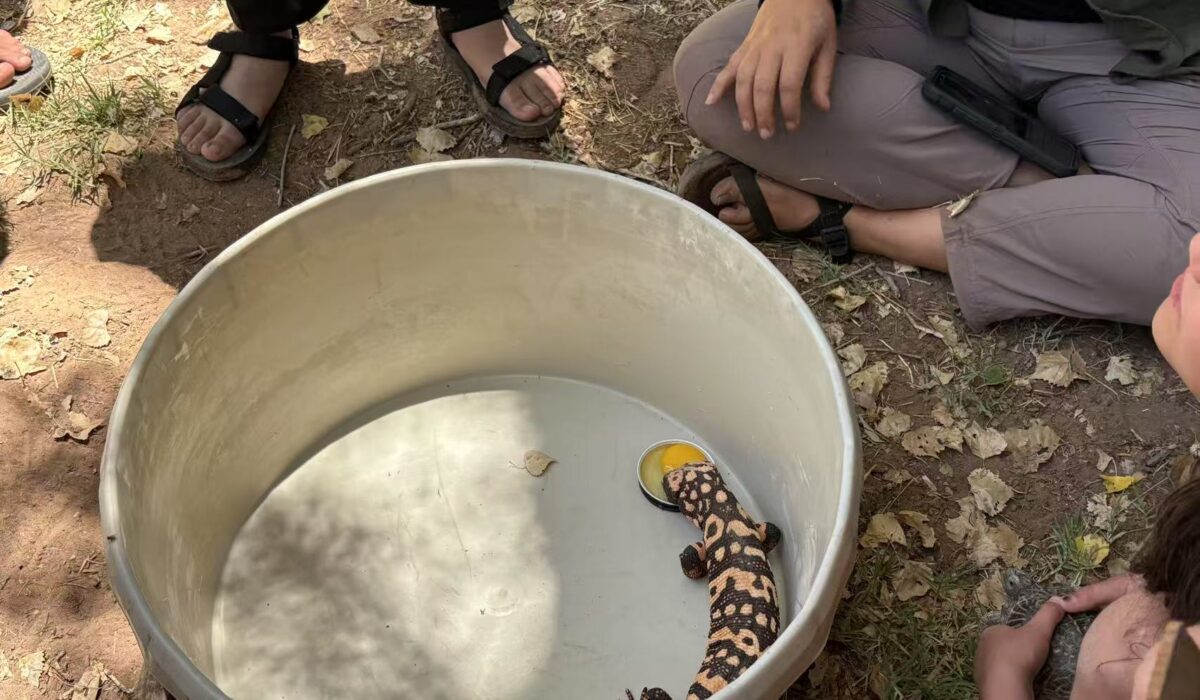
Programs that integrate research with real-world challenges offer a more comprehensive experience. The global philanthropy leadership program includes opportunities such as the Arizona project, where students engage with research in applied settings.
In these environments, students are not only learning research methods—they are applying them to real issues. This may involve analyzing data, evaluating community needs, or developing solutions based on evidence.
The advantage of this approach is that it connects research with impact. Students begin to see how research informs decisions and contributes to meaningful outcomes.
People Also Ask: Research Methods for High School Students
What is the best research method for high school students?
The best research method depends on the topic. Experimental and survey-based research are often the most accessible, while qualitative and case study approaches are useful for deeper analysis.
Can high school students do real research?
Yes, high school students can engage in meaningful research by using structured methods and focusing on clear, manageable questions.
Why are research methods important for students?
Research methods teach students how to think critically, analyze information, and solve problems systematically.
Do colleges value research experience?
Yes, colleges highly value research experience because it demonstrates curiosity, initiative, and the ability to work independently.
Research as a Way of Thinking
Understanding a research method is not just about completing a project. It is about learning how to think.
Students who engage with different research methods develop the ability to question assumptions, evaluate evidence, and approach problems with structure and clarity.
Over time, this becomes a powerful advantage—not only in academics, but in any field that requires critical thinking and decision-making.
By submitting this form, you are consenting to receive marketing emails from: IvyMax, 41111 Mission Blvd., Suite 200, Fremont, CA, 94539, https://ivymax.com/. You can revoke your consent to receive emails at any time by using the SafeUnsubscribe® link, found at the bottom of every email. Emails are serviced by Constant Contact
Interested in our program?
Complete the form below and we’ll quickly respond with detailed information, and answers to all your questions!