
Understanding the Critical Differences Between Field Research and Online Research
Table of Contents
Field Research in High School
In today’s competitive academic environment, field research has become an important way for students to demonstrate curiosity, initiative, and real-world problem-solving ability. While online research allows students to analyze existing information, field research involves collecting original data directly from natural environments. Understanding the differences between these two research methods—and seeing a real example of field research—can help students choose the most meaningful approach for developing strong academic and research experiences.
Why Field Research Is Becoming More Important for Students
In recent years, educators and universities have placed greater emphasis on experiential learning. Instead of focusing only on theoretical knowledge or digital research projects, many institutions now encourage students to engage directly with real environments, communities, and ecosystems.
This shift reflects a broader understanding of how scientific discovery actually happens. Most major breakthroughs in environmental science, biology, anthropology, and even social sciences begin with careful observation of real-world phenomena. Researchers often need to leave the laboratory or classroom and collect data directly from the environments where natural processes occur.
As a result, field research has become an increasingly valuable academic experience. When students participate in field-based investigations, they demonstrate a willingness to explore complex questions through direct observation rather than relying solely on information found online. This type of research shows intellectual independence and a deeper level of engagement with scientific inquiry.
Another reason field research is gaining importance is that it helps students develop skills that cannot easily be learned through digital work alone. Field researchers must adapt to changing conditions, troubleshoot unexpected problems, and carefully document observations in real time. These challenges build resilience and critical thinking skills that are essential for future scientists, engineers, and researchers.
What Is Field Research?
Field research refers to a research method in which investigators collect data directly within the natural environment where a phenomenon occurs. Instead of analyzing information from existing publications or databases, researchers observe and measure real-world conditions to generate original data.
This approach is widely used across many academic disciplines. Environmental scientists conduct field research to study ecosystems, biodiversity, and climate patterns. Anthropologists observe social behaviors within communities to understand cultural traditions and social structures. Wildlife biologists track animal populations in their natural habitats to study migration patterns and species interactions.
A clear example of field research might involve a student studying plant diversity in a desert ecosystem. By identifying species, recording soil conditions, and measuring environmental variables such as temperature or rainfall, the student gathers primary data that contributes to understanding how ecosystems function.
Through these activities, field researchers gain insights that are often impossible to obtain through secondary sources alone.
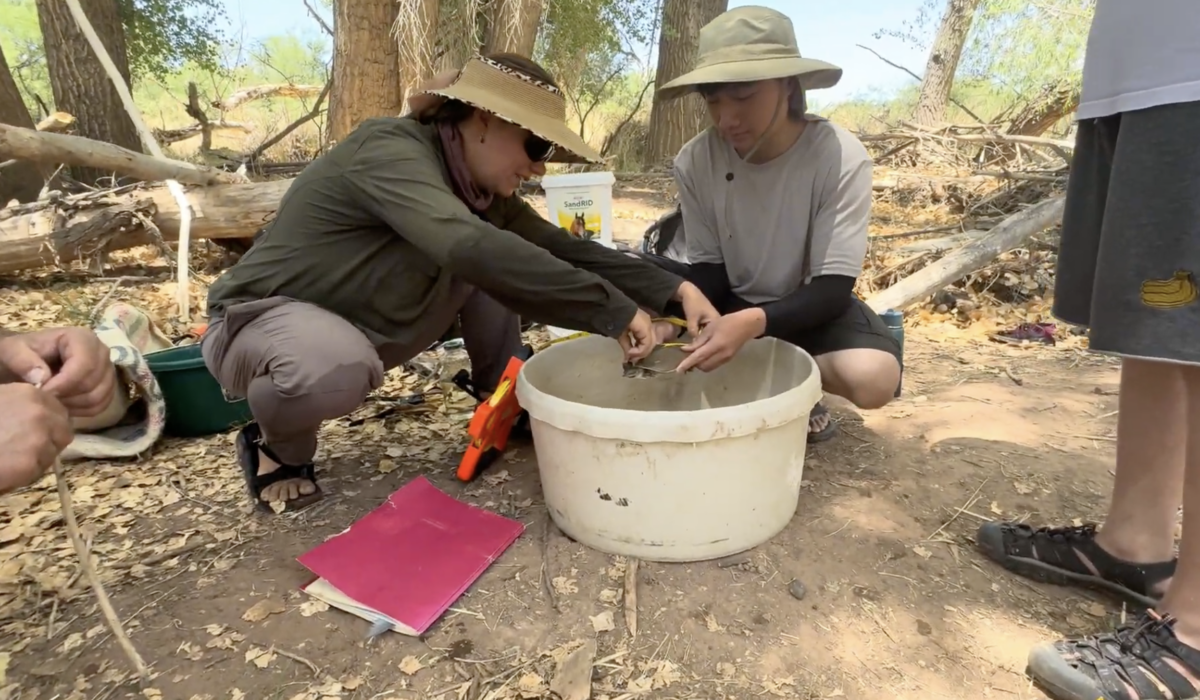
Field Research vs Online Research
Although both field research and online research play important roles in academic learning, the two approaches serve very different purposes. Understanding these differences helps students determine which type of research experience best supports their academic goals.
Data Originality and Ownership
One of the most significant differences between field research and online research involves the type of data being used. Online research primarily relies on secondary data. This means students analyze information that has already been collected, reviewed, and published by other researchers.
Secondary data can be extremely valuable for understanding existing knowledge. However, it does not provide students with the experience of generating new discoveries. When students conduct field research, they gather primary data that originates from their own observations and measurements. This data belongs entirely to the researcher who collected it.
Because primary data reflects original inquiry, universities often view field research as a stronger indicator of intellectual initiative. Students who conduct their own research demonstrate that they can design investigations, collect evidence, and interpret results independently.
Environmental Adaptability
Another important distinction between the two approaches is the level of adaptability required. Online research generally occurs in a stable and controlled environment where students access information through digital databases, academic journals, or online resources.
In contrast, field research takes place in dynamic environments where conditions can change unexpectedly. Weather patterns may affect ecological studies, equipment might malfunction during data collection, or wildlife behavior may shift due to environmental factors.
Researchers conducting field studies must respond to these variables while still maintaining scientific accuracy. Learning how to manage these challenges helps students develop resilience and creative problem-solving abilities. These skills are highly valued not only in research but also in engineering, environmental science, and other STEM fields.
Contextual Understanding
Online research often presents information in summarized or simplified formats. While this allows researchers to quickly access large amounts of data, it can sometimes remove the context surrounding the information.
Field research provides a more comprehensive perspective because the researcher observes phenomena directly within their natural setting. This allows for what researchers often describe as “thick description,” meaning detailed documentation of environmental conditions, behavioral patterns, and contextual factors that influence the research topic.
For example, satellite data may show changes in vegetation across a region, but field research allows scientists to observe the specific environmental interactions responsible for those changes. By examining soil conditions, water availability, and species interactions on site, researchers gain a deeper understanding of ecological processes.
This contextual depth is one of the primary reasons field research remains a fundamental method across many scientific disciplines.
A Powerful Example of Field Research: The Arizona Biodiversity Conservation Project
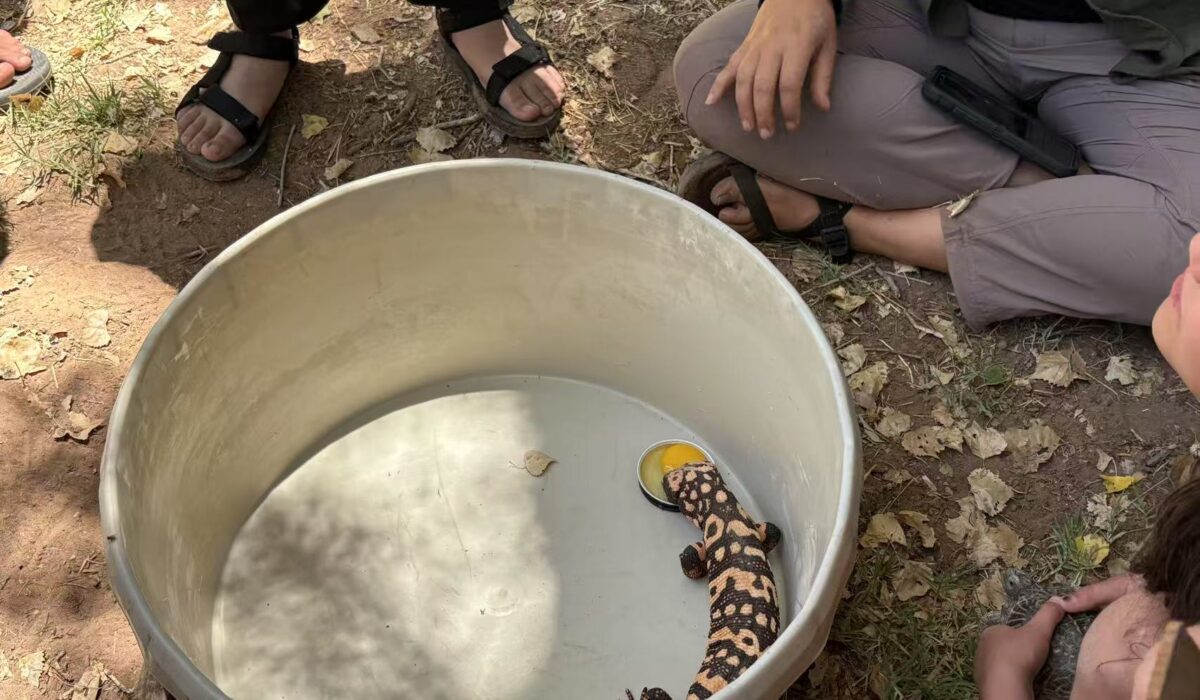
To understand how field research works in practice, it is helpful to examine a real program that provides students with immersive research opportunities. One of the most compelling examples of field research for high school students is the Arizona Biodiversity Conservation Project organized through the Global Philanthropy Leadership program.
This project focuses on biodiversity research in Southern Arizona, a region recognized as one of North America’s most ecologically diverse landscapes. The area contains desert ecosystems, mountain habitats, and transitional zones that support a wide variety of plant and animal species.
Students participating in this program begin with a strong theoretical foundation before entering the field. The program typically includes preparatory coursework that introduces key concepts in environmental science, conservation biology, and ecosystem analysis. These lessons help students understand the scientific questions they will investigate during their fieldwork.
After completing the preparatory stage, students travel to Southern Arizona to conduct immersive field research within the region’s unique ecosystems. During this phase, participants observe wildlife, document environmental conditions, and collect data related to biodiversity and conservation challenges.
Through direct observation and measurement, students learn how environmental variables influence ecosystems. They may analyze plant diversity in desert habitats, monitor species distribution across elevation gradients, or examine how climate conditions affect wildlife populations.
This example of field research demonstrates how theoretical knowledge and real-world observation combine to create meaningful scientific experiences.
Skills Students Develop Through Field Research
Participating in field research offers students the opportunity to develop a wide range of academic and professional skills. These experiences often extend far beyond the knowledge gained in traditional classrooms.
Students who conduct field research learn how to design research questions and develop investigative methods that produce reliable results. They become familiar with scientific tools used to measure environmental variables, document observations, and analyze patterns in collected data.
In addition to technical skills, field research fosters critical thinking and adaptability. Researchers must interpret complex environments and adjust their strategies when conditions change. These experiences encourage students to approach challenges creatively while maintaining scientific rigor.
Field research also strengthens communication abilities. Students often present their findings through written reports or presentations that explain their methods, data, and conclusions. This process helps them develop the ability to communicate complex ideas clearly and effectively.
The combination of analytical thinking, observational skill, and scientific communication gained through field research prepares students for advanced academic work and research opportunities in college.
Why Universities Value Field Research Experience
Admissions officers at highly selective universities look for students who demonstrate curiosity, perseverance, and the ability to pursue knowledge independently. Participating in field research provides strong evidence of these qualities.
When students conduct field-based investigations, they show that they are willing to step outside traditional learning environments and explore complex questions firsthand. This initiative signals a level of intellectual engagement that universities find compelling.
Field research also prepares students for undergraduate research opportunities. Many universities encourage students to join faculty research projects early in their academic careers. Students who have already experienced fieldwork often adapt quickly to these opportunities because they understand the process of data collection, analysis, and scientific reporting.
For example, a student who participates in biodiversity studies in the Arizona desert can write about the challenges of measuring ecological variables in extreme climates. Describing these experiences demonstrates perseverance and attention to detail—qualities that universities associate with successful researchers.
In this way, a strong example of field research can become a meaningful part of a student’s academic narrative.
Balancing Digital Research and Field Research
Although field research provides unique advantages, digital research remains an essential component of scientific study. Online databases, academic journals, and computational tools allow researchers to analyze large datasets and build theoretical frameworks for their investigations.
The most effective researchers combine both approaches. Digital research provides the background knowledge necessary to design meaningful investigations, while field research allows scientists to test ideas and gather new evidence.
Students who balance these methods gain a more complete understanding of the research process. They learn how to evaluate existing literature, identify gaps in knowledge, and design experiments or observations that contribute new insights.
In this sense, online research acts as the map that guides exploration, while field research represents the journey that generates discovery.
Turning Curiosity into Discovery Through Field Research
For students who want to move beyond theoretical learning, field research offers an extraordinary opportunity to explore the natural world and contribute to scientific understanding. By gathering primary data, observing real environments, and solving practical challenges, students gain skills that cannot be developed through digital research alone.
Programs such as the Arizona Biodiversity Conservation Project illustrate how immersive field experiences can transform academic curiosity into meaningful discovery. Through this example of field research, students learn not only how science works but also how their own observations can contribute to broader environmental knowledge.
As universities continue to emphasize experiential learning and undergraduate research, students who engage in fieldwork demonstrate that they possess the intellectual curiosity and resilience necessary for scientific exploration.
For those preparing for future careers in science, engineering, or environmental studies, field research is more than an academic exercise. It is the beginning of a journey into the process of discovery that defines scientific progress.
By submitting this form, you are consenting to receive marketing emails from: IvyMax, 41111 Mission Blvd., Suite 200, Fremont, CA, 94539, https://ivymax.com/. You can revoke your consent to receive emails at any time by using the SafeUnsubscribe® link, found at the bottom of every email. Emails are serviced by Constant Contact
Interested in our program?
Complete the form below and we’ll quickly respond with detailed information, and answers to all your questions!