What Happens When Students Build Water Purification Systems in Africa
Table of Contents
Water Purification System
When students travel to Kenya expecting to see wildlife and national parks, many are surprised to discover another challenge facing local communities: access to clean water. Through hands-on projects in water purification and sustainable development, students participating in the Kenya program gain a deeper understanding of how environmental conservation and community well-being are closely connected.
The Water Challenge in Rural Kenya
In many parts of rural Kenya, access to clean drinking water is not guaranteed. Communities often rely on rivers, wells, or seasonal water sources that may contain bacteria or pollutants. Without proper filtration systems, unsafe water can lead to serious health issues, particularly for children.
This challenge is closely tied to broader issues of sustainable development. When communities spend significant time collecting water or dealing with waterborne illnesses, it becomes harder to focus on education, economic opportunity, and environmental protection.
For students participating in the GPL Kenya program, understanding this reality is an important first step. Instead of learning about sustainability only in classrooms, they see firsthand how water access affects everyday life in rural communities.
Building Water Purification Systems
One of the most impactful parts of the program involves helping design and install water purification solutions for local communities. These systems are often built using accessible materials and sustainable methods so that they can be maintained long after the program ends.
Students learn about water filtration principles, environmental engineering basics, and how clean water systems contribute to healthier communities. Working alongside local partners, they help implement solutions that improve access to safe drinking water.
Participating in projects like these helps students see how science, engineering, and environmental stewardship intersect. A water purification system is not just a technical solution—it is also a step toward improving public health and supporting long-term community resilience.
Connecting Water Sustainability and Wildlife Conservation
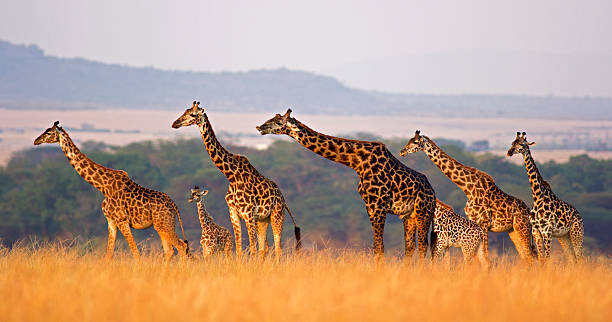
Kenya is famous for its extraordinary biodiversity, especially in regions such as the Maasai Mara, one of the most iconic wildlife conservation areas in the world. However, protecting wildlife and protecting local communities are closely related goals.
When water resources are limited or ecosystems are stressed, both wildlife populations and human communities are affected. Sustainable water systems help reduce pressure on natural habitats and ensure that communities can coexist with surrounding ecosystems.
Students participating in the Kenya program often visit conservation areas where they learn about wildlife protection efforts and environmental management. Seeing elephants, lions, and other animals in their natural habitat highlights the importance of preserving ecosystems for future generations.
Through this experience, students begin to understand that sustainability is not just about protecting nature. It is about finding solutions that support both environmental conservation and human development.
Learning Through Real-World Impact
What makes this experience unique is that students are not simply observing environmental challenges—they are actively participating in solutions. Helping build water purification systems allows them to apply scientific concepts in a meaningful way while working directly with local communities.
This hands-on approach encourages students to think critically about global development challenges. They begin to see how engineering, environmental science, and public policy intersect in efforts to create sustainable solutions.
Students also gain valuable leadership and teamwork skills as they collaborate with peers, mentors, and community members. These experiences often inspire participants to explore academic interests in areas such as environmental science, sustainability, global health, or international development.
Kenya Wildlife Conservation Project Experience
The Global Philanthropy Leadership (GPL) Program -Kenya project offers students a unique opportunity to combine service, learning, and cultural exploration. Participants engage in projects focused on sustainable development, community support, and environmental awareness while experiencing one of Africa’s most remarkable landscapes.
In addition to sustainability initiatives like water purification, students learn about local culture, conservation challenges, and the importance of global collaboration. Visiting regions near the Maasai Mara also provides insight into how wildlife conservation and community development are interconnected.
By participating in projects that address real-world challenges, students develop a broader perspective on leadership and global responsibility.
Why Experiences Like This Matter
Programs that combine environmental sustainability, community engagement, and global education help students develop a deeper understanding of the world. Instead of learning about global challenges only through textbooks, they experience how those challenges affect real communities.
Building water purification systems may seem like a small step, but it can have lasting impacts. Access to clean water improves health, supports education, and strengthens communities. At the same time, sustainable water management helps protect ecosystems and wildlife.
For students, experiences like this demonstrate how science, compassion, and leadership can work together to create meaningful change.
Sometimes the most powerful lesson comes from realizing that even small actions—like helping build a clean water system—can contribute to a more sustainable future.
By submitting this form, you are consenting to receive marketing emails from: IvyMax, 41111 Mission Blvd., Suite 200, Fremont, CA, 94539, https://ivymax.com/. You can revoke your consent to receive emails at any time by using the SafeUnsubscribe® link, found at the bottom of every email. Emails are serviced by Constant Contact
Interested in our program?
Complete the form below and we’ll quickly respond with detailed information, and answers to all your questions!