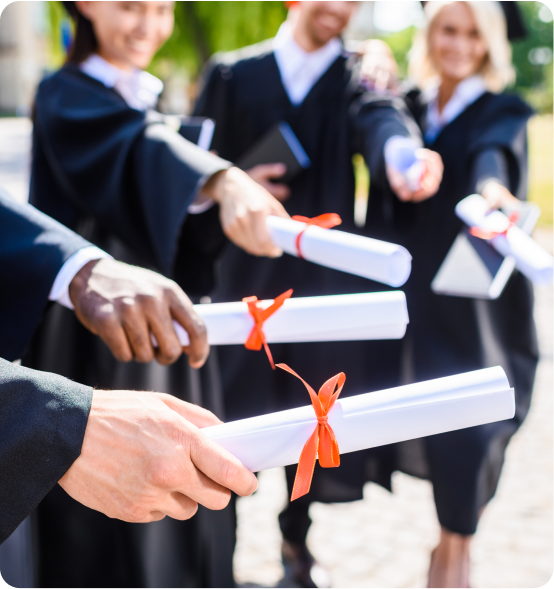
What High Schoolers Really Learn from Cultural Immersion
Table of Contents
Beyond Community Service Hours
For many high school students, community service begins as a requirement. Schools ask for a certain number of community service hours, and students look for ways to complete them efficiently.
But not all service experiences are the same.
Some students finish their hours without much reflection. Others come away with a completely different way of thinking. The difference often comes down to one factor: whether the experience involved real cultural immersion.
Cultural immersion changes the purpose of community service. It shifts the focus from completing hours to understanding people, environments, and impact.
What Cultural Immersion Actually Means
Cultural immersion is often misunderstood as simply traveling to a different place. In reality, it goes much deeper.
It involves entering a new environment where students must engage with different social norms, values, and ways of life. Instead of observing from a distance, they participate and adapt.
In this context, community service becomes more than a task. It becomes a process of learning how to interact with unfamiliar systems and perspectives.
Why Traditional Community Service Often Falls Short
Many community service experiences are structured for convenience. Students are given clear tasks, limited responsibility, and predictable outcomes.
While these experiences can still be meaningful, they often lack complexity. Students complete their community service hours, but they are not required to think deeply about what they are doing or why it matters.
As a result, the learning remains surface-level.
Cultural immersion introduces a different dynamic. It removes predictability and requires students to engage more actively with their environment.
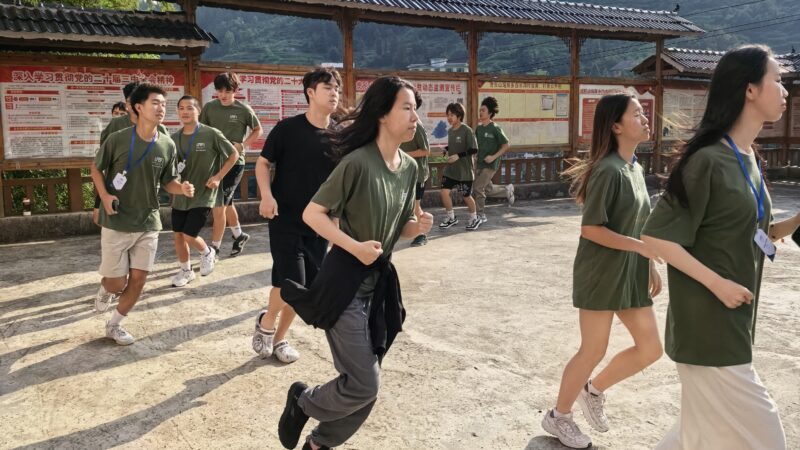
1. Learning to Navigate Unfamiliar Environments
One of the first lessons students gain from cultural immersion is how to function outside their comfort zone.
Simple interactions—communication, decision-making, even daily routines—require more attention. Students cannot rely on привычные assumptions. They must observe, adapt, and respond.
This builds a level of awareness that is difficult to develop in familiar settings.
2. Understanding Context Before Taking Action
In many traditional service settings, students are told what to do. In immersive environments, that clarity often does not exist.
Students begin to realize that effective community service requires understanding context first. What works in one environment may not work in another.
This leads to a more thoughtful approach. Instead of acting immediately, students learn to ask questions, listen, and evaluate situations before responding.
3. Moving from Participation to Responsibility
Cultural immersion often shifts students from passive participation to active responsibility.
Rather than simply completing assigned tasks, they begin to take ownership of their role. They think about how their actions affect others and how they can contribute more meaningfully.
This transition is what transforms community service into leadership development.
4. Developing Cross-Cultural Communication Skills
Communication becomes more complex in unfamiliar environments. Language barriers, cultural differences, and different expectations all play a role.
Students learn to communicate more clearly and more intentionally. They also learn to listen more carefully.
These skills are not limited to global experiences—they are valuable in any setting that involves working with diverse groups of people.
5. Gaining Perspective on Global Issues
Through cultural immersion, students encounter real-world challenges in a direct way.
Issues such as education access, resource limitations, or community development are no longer abstract concepts. They become visible and tangible.
This changes how students understand global issues. It also encourages a more nuanced and informed perspective.
6. Reflecting on Impact, Not Just Hours
Perhaps the most important shift is how students evaluate their experience.
Instead of focusing on how many community service hours they have completed, they begin to consider the impact of their actions.
They ask questions such as:
- Did my work actually help?
- What did I learn from this experience?
- How did this change my perspective?
This reflection is what turns experience into growth.
A Real Example: Cultural Immersion in Nepal
Structured programs can create environments where this type of learning happens more naturally.
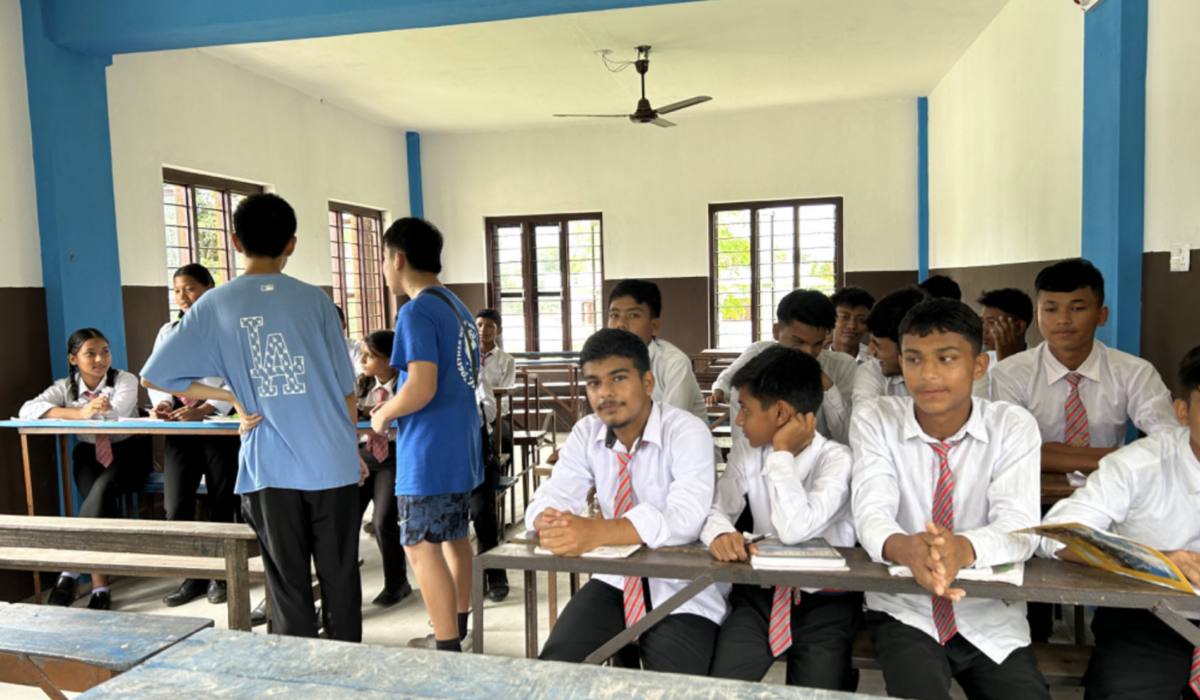
Global Philanthropy Leadership Program offers opportunities for students to engage in community-based work in places like Nepal.
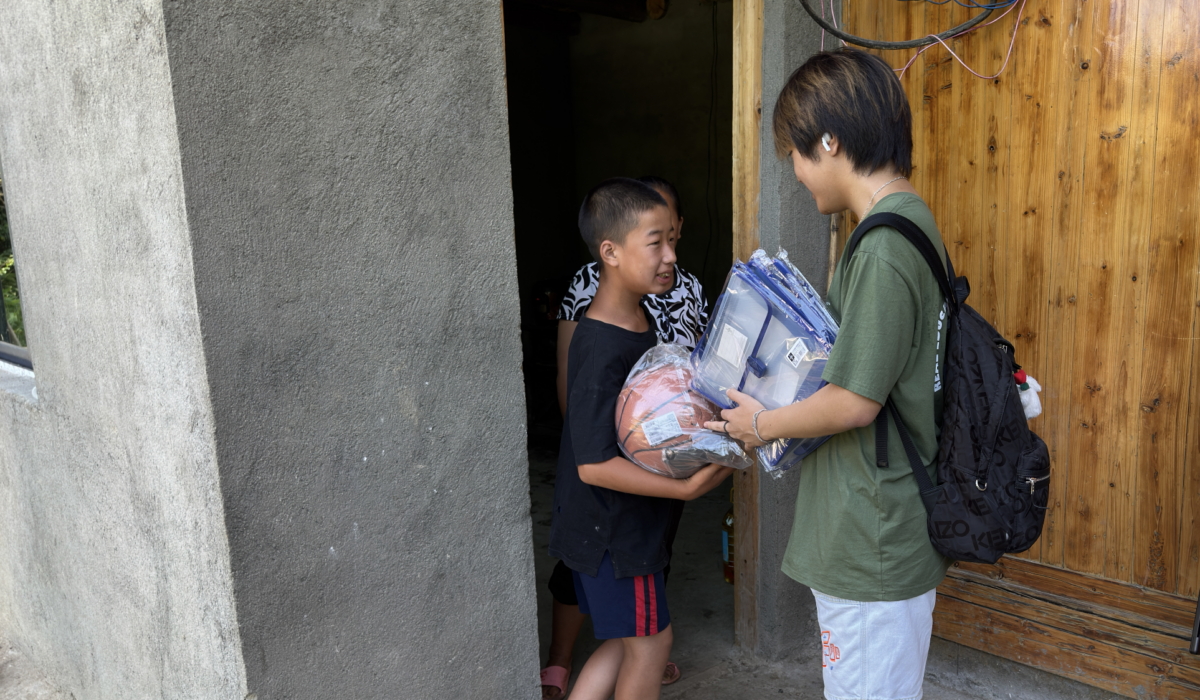
In these settings, students are not simply completing community service hours. They are working within communities, observing real challenges, and adapting to unfamiliar conditions.
The experience is not defined by the number of tasks completed, but by the level of engagement. Students learn to understand context, communicate across differences, and reflect on their role within a larger system.
Over time, this leads to a deeper form of learning—one that connects service with awareness and responsibility.
From Community Service to Personal Growth
Cultural immersion changes how students approach community service.
What begins as a requirement can become an experience that shapes how they think and interact with the world. Students develop adaptability, empathy, and a stronger sense of responsibility.
These qualities extend beyond a single experience. They influence how students approach future challenges, both academically and personally.
People Also Ask
What is the difference between community service and cultural immersion?
Community service focuses on helping others, while cultural immersion involves engaging deeply with a new environment and understanding different perspectives.
Do community service hours matter for college applications?
Yes, but the quality of the experience matters more than the number of hours. Meaningful involvement and reflection are more impactful.
Why is cultural immersion important for students?
It helps students develop adaptability, communication skills, and a broader understanding of global issues.
How can students make community service more meaningful?
By choosing experiences that involve real engagement, responsibility, and reflection rather than simply completing required hours.
From Requirement to Transformation
Community service can begin as a requirement, but it does not have to remain one.
When combined with cultural immersion, it becomes a powerful learning experience. Students move beyond completing hours and begin developing a deeper understanding of people, context, and impact.
This shift—from participation to awareness—is what makes the experience truly valuable.
Thinking About the F=ma Exam?
Performing well on the F=ma Exam and qualifying for the USAPhO takes more than just raw talent—it requires a solid academic foundation, particularly in math and physics. The best way to prepare for these high-level competitions is by first mastering key Advanced Placement (AP) courses.
✅ AP Courses Recommended for Physics Competitons:
AP Physics 1 – For introductory conceptual understanding
AP Physics C: Mechanics – Required for deeper classical mechanics
AP Calculus AB or BC – Essential for solving calculus-based problems
AP Chemistry – Supports interdisciplinary STEM thinking
AP Computer Science A – Strengthens logic, modeling, and algorithm skills
These courses not only build the skills needed to succeed in competitions like F=ma, but they also demonstrate academic rigor on college applications—especially for students aiming to enter STEM majors at top universities.
📅 Planning ahead? Check out IvyMax’s AP Course Summer Schedule:
By submitting this form, you are consenting to receive marketing emails from: IvyMax Inc, 41111 Mission Blvd., Suite 200, Fremont, CA, 94539, https://ivymax.com/. You can revoke your consent to receive emails at any time by using the SafeUnsubscribe® link, found at the bottom of every email. Emails are serviced by Constant Contact
Interested in our program?
Complete the form below and we’ll quickly respond with detailed information, and answers to all your questions!