
How to Develop Leadership in High School: A Complete Student Guide
Table of Contents
Why Leadership Matters More Than Ever
In today’s competitive world, simply having good grades is no longer enough. Colleges, scholarships, and future employers are all looking for something more—leadership.
To develop leadership in high school is to prepare yourself not just for college, but for life. Leadership builds confidence, improves communication, and teaches you how to solve real problems.
More importantly, leadership is no longer about holding a title like “class president.” It’s about taking initiative, creating impact, and working toward meaningful goals.
If you start early, you gain a powerful advantage. High school is the perfect time to experiment, fail safely, and grow into someone who can lead others with purpose.
What It Really Means to Develop Leadership
Developing leadership is not a single step but a layered process. At the most basic level, students begin by changing their behavior. They speak up more often, take initiative in group settings, and become more willing to take responsibility. This stage is visible and often encouraged in school environments.
However, real growth begins when students move beyond behavior and start improving how they think. Leadership at this level involves decision-making, prioritization, and understanding how actions lead to outcomes. Instead of simply completing tasks, students begin asking questions such as: What is the goal? What is the most effective approach? What could go wrong?
The most advanced stage of leadership development occurs when students begin to think strategically. At this point, they are not just reacting to situations but identifying problems, designing solutions, and creating impact. This is the level that colleges and organizations value most because it reflects ownership and independent thinking.
What separates students who truly develop leadership from those who do not is their ability to move through these layers rather than staying at the surface level.
Why Many Students Struggle to Develop Leadership
A common pattern among high school students is that they become busy without becoming effective. They join multiple activities, attend meetings, and accumulate experiences, yet their leadership ability does not significantly improve.
This usually happens because their involvement lacks depth. Instead of engaging deeply in one or two areas, they spread their time across many commitments without taking meaningful responsibility. As a result, they gain exposure but not ownership.
Another issue is the overemphasis on titles. Many students believe that becoming a president or captain automatically makes them a leader. In reality, titles only provide an opportunity for leadership; they do not guarantee it. Without initiative and accountability, a title becomes a label rather than evidence of capability.
There is also a lack of reflection. Leadership develops through feedback and adjustment. Students who do not analyze their decisions, mistakes, and outcomes tend to repeat the same patterns, limiting their growth.
How Leadership Actually Develops: A Practical Framework
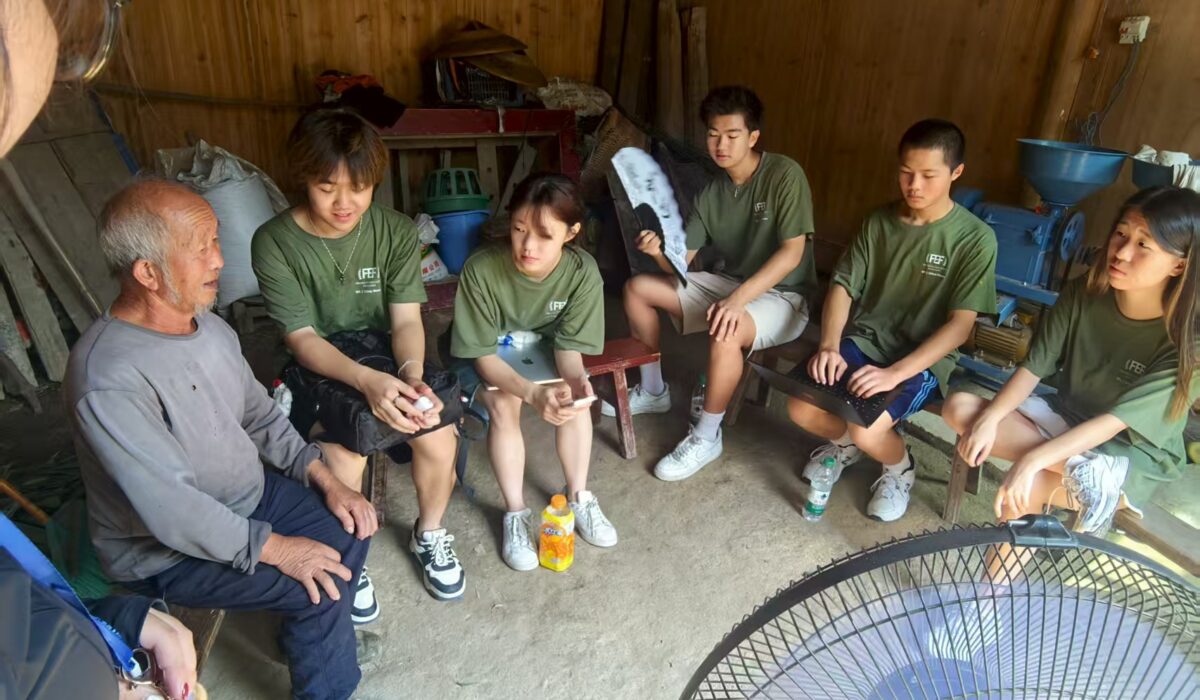
Leadership growth follows a consistent pattern, although it often goes unnoticed. It begins with exposure to a situation, followed by taking responsibility within that situation. Once responsibility is accepted, pressure naturally emerges because outcomes are uncertain and expectations exist.
At this stage, students are forced to adapt. They must adjust their approach, communicate more effectively, or rethink their strategy. This adaptation is where learning occurs. Over time, repeated exposure to this cycle builds confidence and capability.
What is important here is not the activity itself, but the level of responsibility and the willingness to engage with difficulty. Students who avoid pressure may feel comfortable, but they miss the most important part of leadership development.
The Critical Link Between Leadership and Goals
One of the most overlooked aspects of leadership is its relationship with goals. Leadership without goals tends to be reactive and inconsistent. Students may be active, but their actions lack direction and measurable progress.
When leadership is combined with clear goals, everything changes. Goals provide structure, allowing students to align their actions with specific outcomes. Instead of simply participating, they begin working toward something defined.
For example, there is a significant difference between helping with a club event and setting a goal to increase participation or improve engagement. The first is involvement; the second is leadership.
This is why the connection between leadership and goals is essential. Goals transform leadership from a vague concept into a system that produces results. They also make it possible to evaluate progress, which is critical for improvement.
The Difference Between School Leadership and Real-World Leadership
School environments are valuable, but they are inherently structured. Expectations are clear, risks are limited, and outcomes are often predictable. While this provides a safe space for learning, it does not fully reflect the complexity of real leadership.
In real-world contexts, problems are not clearly defined, resources may be limited, and there is no guarantee of success. Students must navigate ambiguity, communicate across differences, and take responsibility for outcomes that affect others.
This difference matters because leadership is ultimately about handling complexity. Students who only operate in structured environments may develop basic skills, but they often struggle when faced with uncertainty.
Why Real-World Experience Accelerates Leadership Development
When students engage in real-world experiences, the nature of their learning changes. They are no longer completing assignments; they are solving problems that have real consequences.
This introduces a higher level of accountability. Decisions matter more, communication becomes more important, and mistakes carry weight. These conditions push students to think more carefully and act more deliberately.
For example, working on a real community project requires understanding the needs of others, managing limited resources, and adapting to unexpected challenges. These are conditions that cannot be fully replicated in a classroom setting.
As a result, students who seek out these experiences often develop leadership more quickly and more deeply.
A More Effective Approach to Developing Leadership
For students who want to move beyond surface-level involvement, it becomes important to find opportunities that emphasize real responsibility and impact.
Programs that focus on global challenges and community engagement provide this kind of environment. Instead of simply participating, students are required to analyze problems, collaborate with others, and implement solutions.
An example of this approach can be seen in initiatives like global philanthropy leadership program for high school students.
These types of programs are structured around action and accountability. Students are not just learning about leadership; they are practicing it in contexts where their decisions matter.
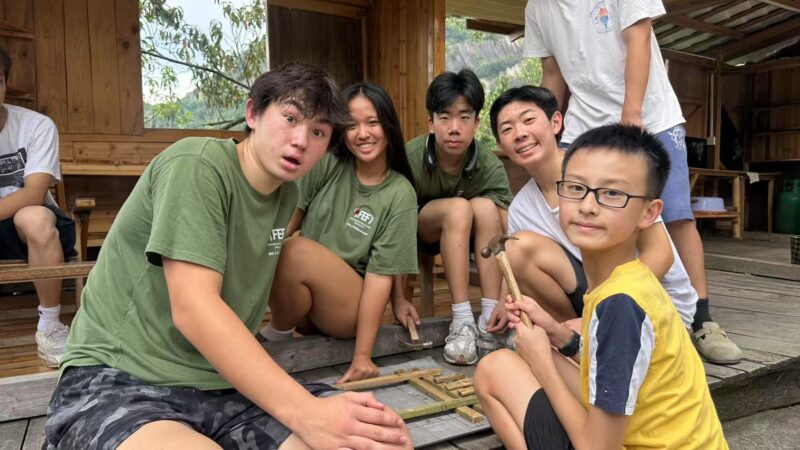
The Hunan Project offers a useful illustration. In this setting, students engage directly with communities, identify needs, and work toward solutions under real constraints. This kind of experience shifts leadership from theory to practice.
What makes this valuable is not just the activity itself, but the conditions it creates. Students must navigate uncertainty, communicate across cultural differences, and take ownership of outcomes. These experiences build a level of maturity and capability that is difficult to achieve through traditional activities alone.
Rethinking Common Assumptions About Leadership
To develop leadership effectively, it is important to challenge several common assumptions.
Many students believe they need confidence before they can lead. In reality, confidence is built through action. Waiting to feel ready often leads to inaction.
There is also a misconception that leadership involves directing others. While coordination is part of leadership, the more important aspect is enabling others to contribute effectively. Strong leaders create environments where teams function well.
Another assumption is that experience alone leads to growth. Experience is only valuable when combined with reflection. Without analysis, students may repeat the same behaviors without improvement.
What Strong Leadership Looks Like to Colleges
From an evaluation standpoint, leadership is assessed through evidence rather than claims. Admissions officers are not looking for the word “leader” in an application; they are looking for patterns of behavior and impact.
Students who stand out typically demonstrate initiative by starting or improving something. They show impact through measurable or meaningful outcomes. They also show depth by committing to an area over time and improving within it.
This combination signals that the student is not only active but capable of growth and contribution.
Leadership as a Long-Term Investment
Developing leadership in high school is not about doing more activities. It is about approaching experiences differently—taking responsibility, setting clear goals, and engaging with challenges rather than avoiding them.
The students who grow the most are those who treat leadership as a process. They take action, reflect on outcomes, and adjust their approach over time. This creates a compounding effect, where each experience builds on the previous one.
In the long run, leadership becomes less about individual actions and more about how a student thinks and operates. This is what makes it valuable—not just for college applications, but for future opportunities and challenges.
Interested in our program?
Complete the form below and we’ll quickly respond with detailed information, and answers to all your questions!